
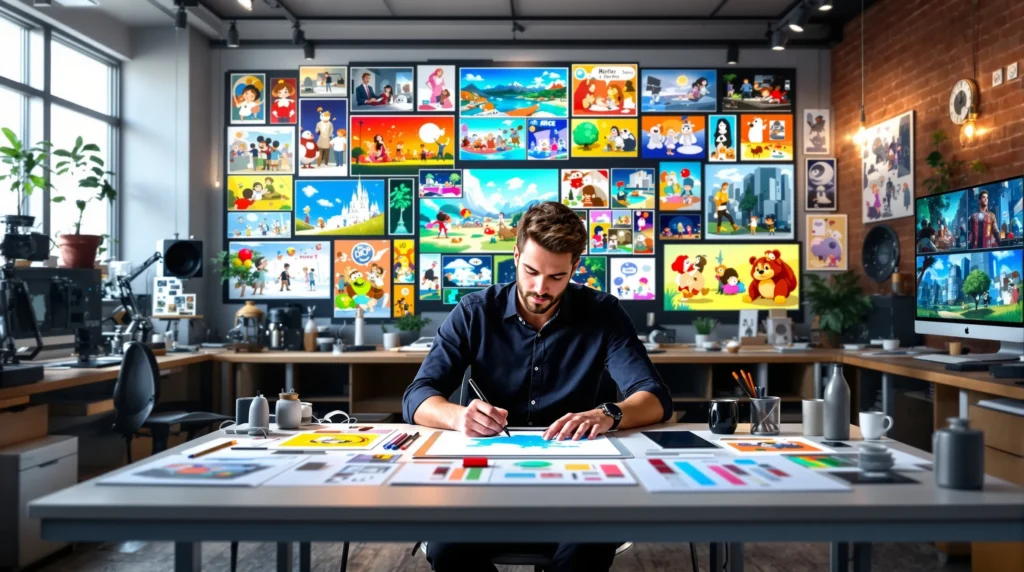
Picture this: You’re eight years old, sprawled on the living room carpet, eyes glued to the TV. The colors pop, the characters move in ways you’ve never seen, and for a moment, you forget the world outside. That’s the magic of animation art styles. They don’t just tell stories—they shape how we feel, what we remember, and even who we become. If you’ve ever wondered why some cartoons stick with you for life while others fade, you’re about to find out why animation art styles matter more than you think.
What Are Animation Art Styles?
Animation art styles are the visual languages that bring animated worlds to life. They’re the difference between the bold, blocky look of The Powerpuff Girls and the lush, painterly feel of Spirited Away. Every animation art style has its own rules, quirks, and emotional punch. Some styles scream with color and energy; others whisper with subtlety and detail. If you’ve ever struggled to explain why you love one cartoon but not another, it probably comes down to the animation art style.
Why Animation Art Styles Matter
Here’s the part nobody tells you: Animation art styles aren’t just about looking pretty. They set the mood, shape the story, and even influence how we see ourselves. Think about it—would Batman: The Animated Series feel as dark and brooding if it looked like SpongeBob SquarePants? Not a chance. The style is the secret sauce that makes each show or movie unforgettable.
The Big Players: Iconic Animation Art Styles
Let’s break it down. Animation art styles come in all shapes and sizes, but a few have changed the game for everyone:
1. Traditional Hand-Drawn Animation
Remember the golden age of Disney? Think Snow White and The Lion King. Artists drew every frame by hand, giving each movement a warm, organic feel. The lines aren’t always perfect, but that’s the charm. If you crave nostalgia and a human touch, this style’s for you.
2. Anime
Anime isn’t just a style—it’s a phenomenon. Shows like Naruto and My Neighbor Totoro use sharp lines, expressive eyes, and dramatic angles. Anime animation art styles often blend realism with fantasy, making the impossible feel real. If you love big emotions and wild imagination, anime delivers.
3. 3D Computer Animation
Pixar changed everything with Toy Story. Suddenly, animation art styles could be glossy, detailed, and almost lifelike. 3D animation lets artists play with light, texture, and depth in ways hand-drawn styles can’t. If you’re into tech and visual spectacle, 3D animation art styles will blow your mind.
4. Minimalist and Flat Design
Shows like Adventure Time and Steven Universe use simple shapes and bold colors. These animation art styles strip away detail to focus on emotion and story. The result? A look that’s easy to recognize and hard to forget. If you like your cartoons quirky and direct, this style’s for you.
5. Stop-Motion Animation
Ever watched Coraline or Wallace & Gromit? That’s stop-motion—where artists move real objects frame by frame. The animation art style here feels tactile and a little bit magical. You can almost see the fingerprints on the characters. If you love craft and patience, stop-motion is pure joy.
How Animation Art Styles Shape Storytelling
Animation art styles aren’t just window dressing. They change how stories feel. A gritty, sketchy style can make a comedy feel raw and real. A soft, watercolor look can turn a simple story into a dream. Here’s why:
- Emotion: Sharp lines and bold colors create excitement. Soft edges and muted tones calm us down.
- World-Building: Unique animation art styles make imaginary worlds believable. Think of the difference between the neon cityscapes of Akira and the cozy forests of Winnie the Pooh.
- Character Connection: The way a character looks shapes how we relate to them. Big eyes invite empathy. Exaggerated features make us laugh.
If you’ve ever cried over a cartoon, thank the animation art style for pulling you in.
Choosing the Right Animation Art Style
Here’s where it gets personal. Not every animation art style fits every story. If you’re an artist, animator, or just a fan, ask yourself:
- What emotion do I want to create?
- Who’s my audience?
- What’s my budget and timeline?
For example, hand-drawn animation takes time but feels intimate. 3D animation is fast and flexible but can look cold if you’re not careful. Minimalist styles are quick and punchy but might not suit epic adventures. There’s no right answer—just the right fit for your vision.
Animation Art Styles: Mistakes, Lessons, and Surprises
Let’s get real. Every animator has a story about a style that flopped. Maybe you tried to copy a popular look and it felt fake. Maybe you went too weird and lost your audience. The lesson? Animation art styles work best when they’re honest. If you love what you’re making, that passion shows up on screen. If you’re just chasing trends, viewers can tell.
Here’s a secret: Some of the most beloved animation art styles started as happy accidents. The rough, sketchy look of Rugrats came from tight deadlines. The pastel colors of Steven Universe were inspired by a box of chalk. Don’t be afraid to experiment. Your mistakes might become your signature.
Who Should Care About Animation Art Styles?
If you’re an animator, artist, or storyteller, animation art styles are your toolkit. If you’re a fan, they’re the reason you fall in love with certain shows. But if you only care about plot or dialogue, you might not notice the details. That’s okay. Animation art styles aren’t for everyone. But if you want to see the world in new ways, pay attention to the art. It’s where the magic starts.
Next Steps: How to Explore Animation Art Styles
Ready to dive deeper? Here’s what you can do:
- Watch a show you loved as a kid. Notice the animation art style. How does it make you feel now?
- Try sketching your favorite character in a different style. What changes?
- Follow animators on social media. See how they experiment with animation art styles.
- Read interviews with animation directors. Learn why they chose their style.
Animation art styles aren’t just for experts. They’re for anyone who wants to see, feel, and imagine more. The next time you watch a cartoon, look closer. The style might just change how you see the world.